 Workify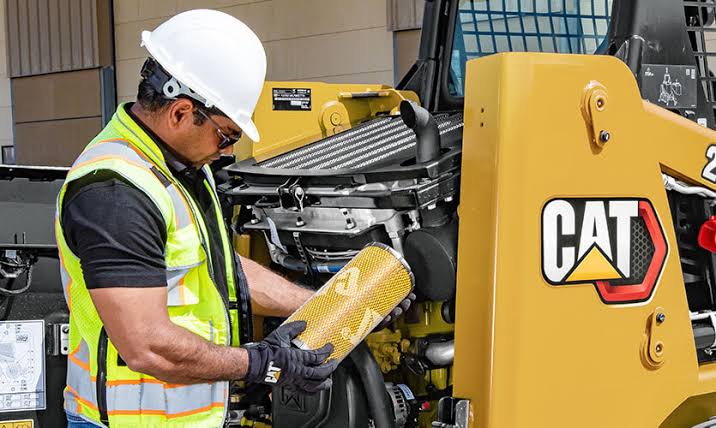
Heavy equipment is used on construction projects daily. Many of the tasks that keep projects moving forward include moving materials, preparing sites, digging foundations, and much more — and all these activities are performed by excavators, bulldozers, wheel loaders, cranes, compactors, and other machines. If one of these machines suddenly stops working, the issue is rarely just about the machine. A breakdown can disrupt operations, delay other teams, and raise repair costs, potentially pushing a project further behind.
That's why preventive maintenance is so critical in construction equipment management. Rather than reacting when a machine fails, preventive maintenance means routine inspections combined with an ongoing analysis of a machine's condition — to determine which machines need attention and which are operating properly.
The importance of preventive maintenance
Construction equipment operates in some of the most challenging environments. Machines are loaded with heavy loads and subjected to dust, mud, extreme temperatures, vibration, and uneven ground for hours at a time. These conditions place severe stress on engines, hydraulic systems, electrical components, tracks, tires, and other parts over time.
Not every equipment issue starts as a critical failure. A small hydraulic leak, a strange sound, a warning light, a loss of engine performance, or excessive vibration can all signal a developing problem. Catching these early lets maintenance teams investigate before a small issue becomes a major, disruptive one.
Preventive maintenance isn't about eliminating failure entirely — it's a systematic way to track equipment condition and minimize unnecessary risk. Regular inspections and servicing also let organizations plan maintenance on their own schedule, instead of reacting to unexpected breakdowns.
Every machine has a history worth knowing
A machine's service history is one of the most valuable resources a construction equipment team has. It can include past repairs, replaced parts, inspection results, maintenance plans, and recurring problems — building, over the years, into a complete picture of that machine's performance.
That history is only useful if it's easy to find and understand. Construction companies and equipment dealerships accumulate a lot of data: work orders, service records, technical documents, inspection records, and manufacturer documentation. The more information there is, the harder it becomes to locate one specific piece of it when it matters.
A technician diagnosing a problem often needs to know whether a similar issue happened before, when a part was last replaced, or what work was previously done on the machine. That context shapes how they read what's happening right now.
Learning from previous repairs
Every repair is a chance to learn something about a machine. A work order can capture the problem, what was checked, which parts were replaced, and what action was taken. Kept properly, these records become more than paperwork — they become part of the organization's service knowledge.
If a machine keeps having the same type of issue, its service history can reveal a pattern that wouldn't be obvious from looking at any single visit. Combining past records with current observations gives a technician a much fuller picture of what they're working with.
This matters even more for teams running large fleets, or dealerships servicing many machines — the bigger the fleet, the harder it is to keep everything in memory.
The role of operators
Technicians aren't the only ones responsible for maintenance. Operators matter just as much, since they often have the most direct, ongoing contact with a machine.
Long before a machine reaches the workshop, an operator may notice a performance change, an unusual sound, a warning indicator, or some other difference. Documenting and communicating those observations gives technicians valuable context during inspection.
Good coordination between operators, technicians, and service managers makes maintenance far more effective. When observations and repairs are captured properly, information from a single service visit becomes useful for every visit after it.
Current and future trends in equipment maintenance technology
Construction equipment has grown more complex, and maintenance teams now handle a large volume of information. Modern machines combine hydraulic, electrical, electronic, and software-based systems — and service teams also have to manage extensive technical documentation and historical records alongside them.
Technology helps organizations put this information to work. Digital maintenance systems, connected equipment, fleet management platforms, and AI-powered tools are all different ways of managing and accessing equipment knowledge.
AI is especially interesting because of how it can change the way people interact with information. Instead of searching through documents from scratch, a technician can ask a natural-language question and get back the relevant information from an organization's own knowledge base.
This isn't just about speed. It also makes years of accumulated service knowledge far more accessible to the people maintaining the equipment today.
Where Workify can help
This is where a solution like Workify can help construction equipment dealerships and service teams. Workify helps companies make better use of the knowledge they already have, through an AI-powered interface for engaging with it.
Work orders, technical documents, and service records shouldn't be useful only to whoever happens to know where to find them. With Workify, technicians can ask questions in plain language and find the relevant information in their organization's own knowledge base.
This doesn't replace preventive maintenance schedules, manufacturer recommendations, inspections, or the experience of qualified technicians. It's another way for service teams to get faster access to the information that supports their work.
Building a stronger maintenance culture
Reliable construction equipment isn't about waiting for problems to show up. It's about a consistent approach to inspections, servicing, record-keeping, communication, and knowledge sharing.
Machines are getting smarter, but the knowledge built around them is becoming just as critical. Every inspection, repair, work order, and service visit adds to an organization's understanding of its own equipment.
Explore Workify and see how AI can help transform the way your dealership uses its service knowledge.