Diagnosis connected to what the repair needs
When the cause is confirmed during the repair, the parts and follow-up work implied by that cause are identified at the same time rather than a day later.
The repair workflow is where we are focused.

Fault alerts, approvals, cost tracking, and service history all live in systems that work. What breaks the chain is that the repair itself never gets recorded in enough detail to inform the next decision.
Select an event to compare what the system of record holds against what the repair actually contained. The gap between them is what turns a known problem into a recurring cost.
New work order. SPN 157 again. Assigned to whoever is available.
This is the moment operational data earns its keep: the next technician starts from what is known, and the manager can see a pattern instead of three unrelated invoices.
Operations does not need more statuses for their own sake. It needs to know whether an asset is waiting on a person, a part, a decision, or a verification.
The most expensive version of "in progress" is a machine waiting on a part nobody ordered because the diagnosis never left the technician’s head.
The pattern does not change much between a construction fleet, a plant floor, and a seasonal operation: the repair knowledge stays with the technician who did the work.

Mixed fleets where every asset has its own history.
Fleet operations
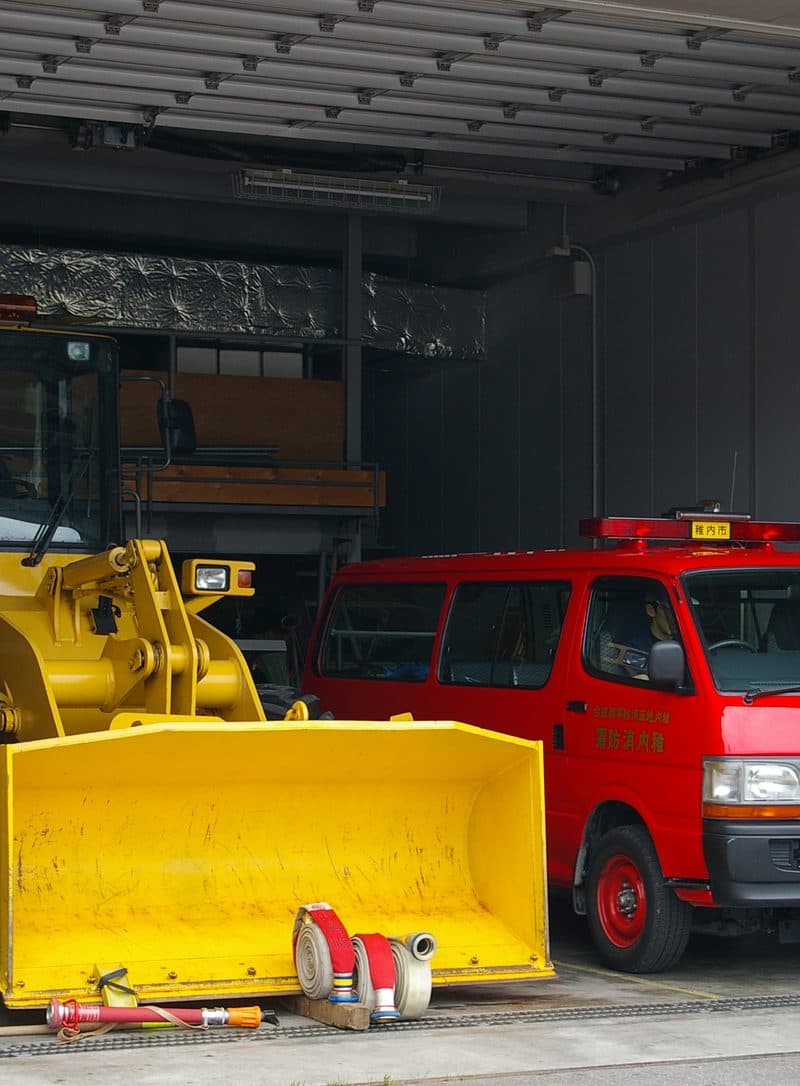
Shops where the record is written after the machine is gone.
Maintenance shops
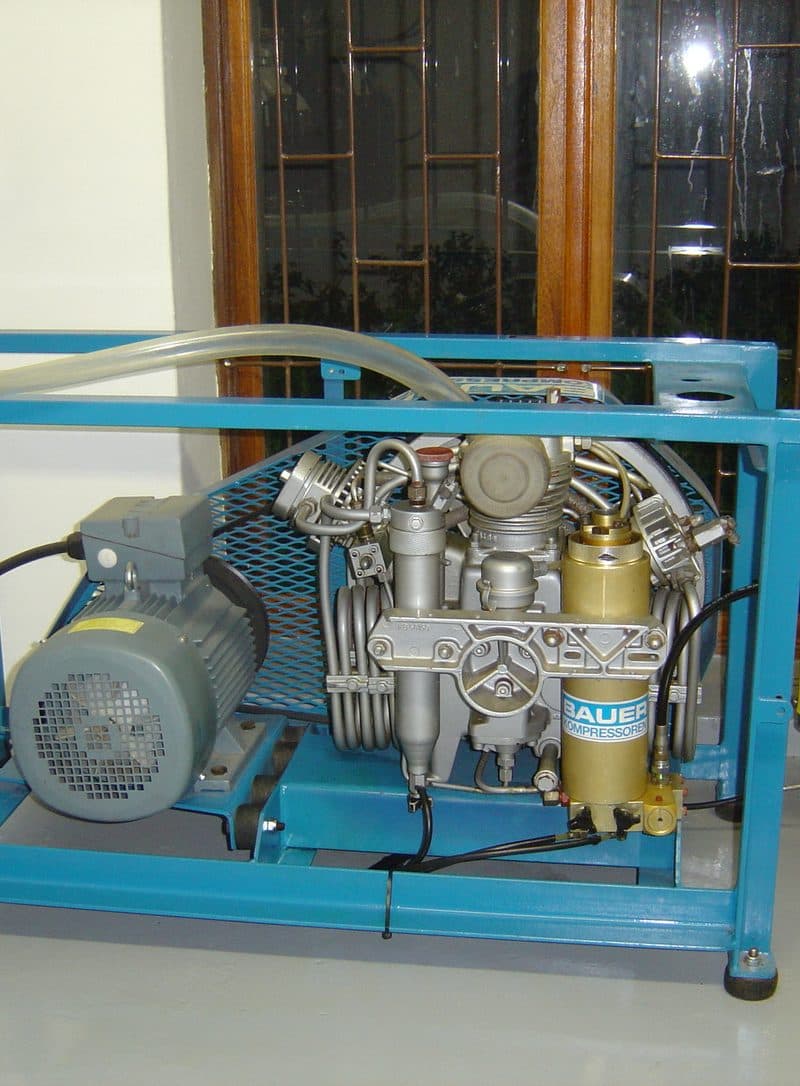
Facilities where uptime depends on a handful of assets.
Plant maintenance
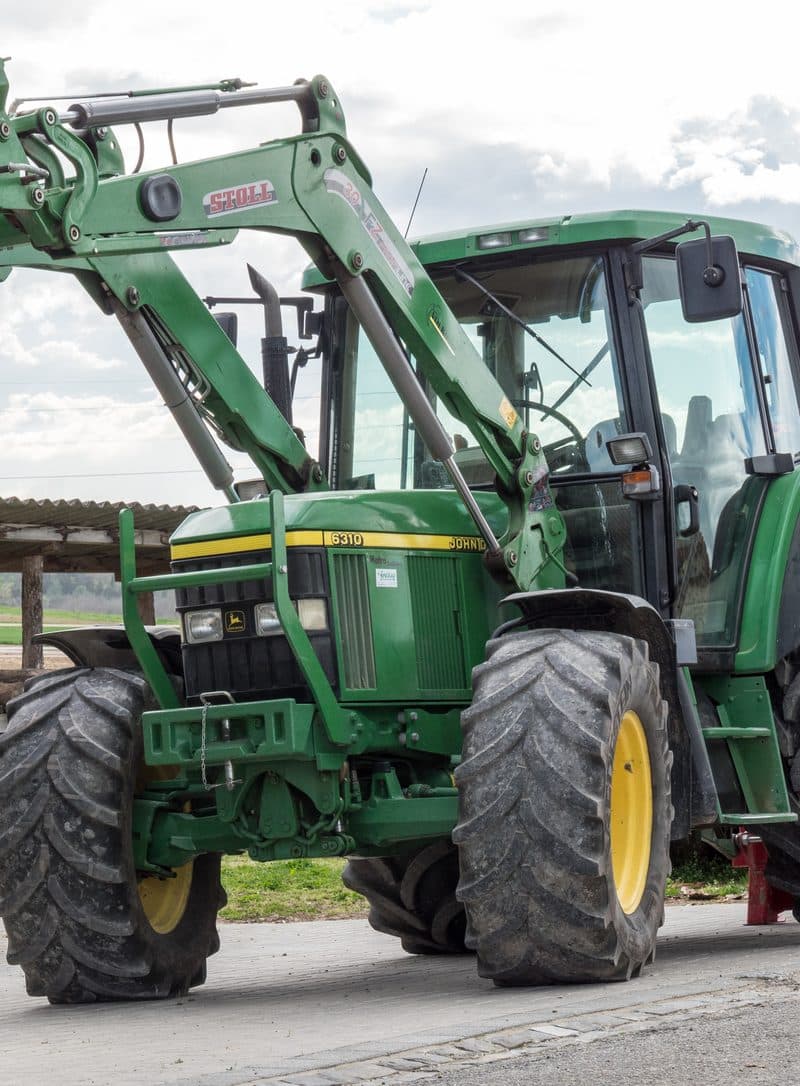
Seasonal equipment where downtime has a deadline.
Agricultural fleets
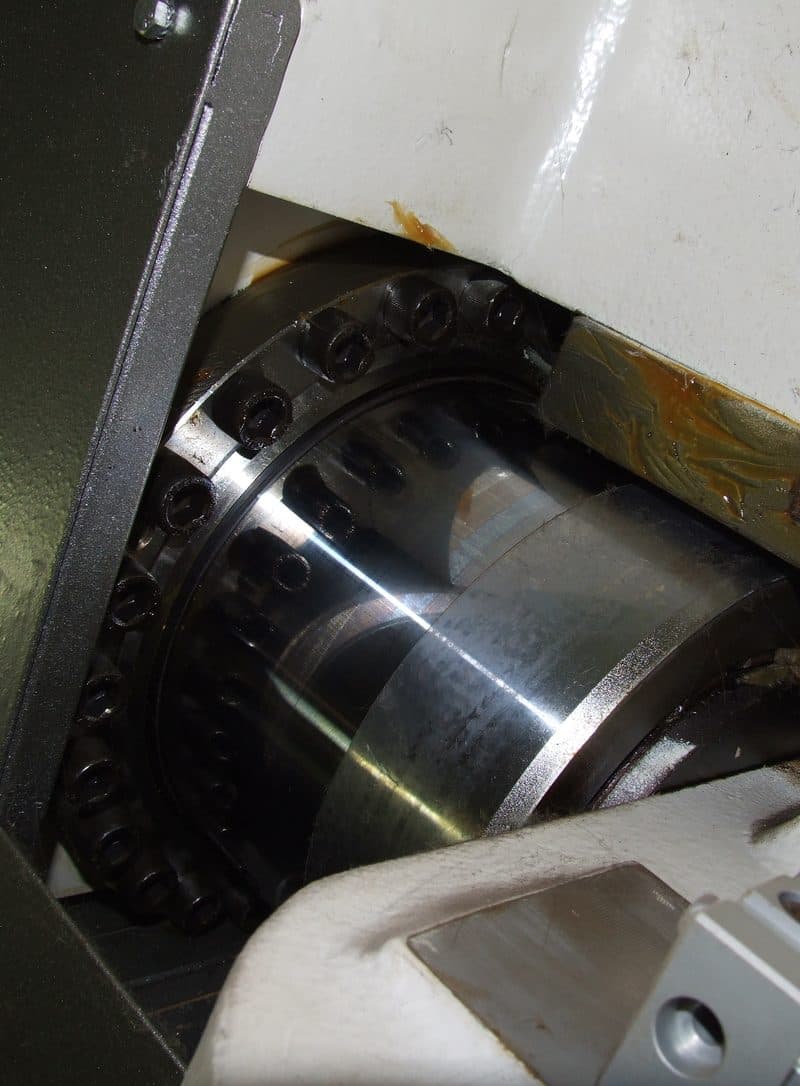
Assets that are serviced by whoever is available that day.
Industrial equipment
Mixed fleets where every asset has its own history.
Fleet operations
Shops where the record is written after the machine is gone.
Maintenance shops
Facilities where uptime depends on a handful of assets.
Plant maintenance
Seasonal equipment where downtime has a deadline.
Agricultural fleets
Assets that are serviced by whoever is available that day.
Industrial equipmentThese are the areas fleet teams ask about most, so it is worth being clear about which parts exist today and which we are still shaping with early customers.
When the cause is confirmed during the repair, the parts and follow-up work implied by that cause are identified at the same time rather than a day later.
The repair workflow is where we are focused.Bringing the relevant part information into the repair conversation, and recording consumption as part of the work instead of as a separate entry.
Depth depends on the parts systems in play.Returning structured parts and labor detail to the systems that own purchasing, inventory, and cost, rather than asking anyone to re-enter it.
Integration-dependent, and validated case by case.Coordinating outside work with the same context the internal team has, so a vendor repair returns something more useful than an invoice line.
We are not claiming to have built this yet.Workify is not a fleet management platform. These answers are about how it sits alongside one.
No. Workify is positioned between existing equipment intelligence and maintenance operations. The right implementation should preserve systems that already work and improve the repair context moving through them.

Tell us how many assets you manage, how repair work moves today, and which integrations would matter most.
Tell us your fleet size, the systems you run, and how repairs get recorded today.